
How I Got The Help I Needed
I always dreamed of being a Mom. And at thirty-seven years old, the dream became a reality and our precious baby girl was born.
I thought something magical would happen. Everything I read or heard someone talk about said I was supposed to feel a deep connection with my baby. A connection beyond what I have ever experienced before.
I didn’t.
Instead, I sat frozen. I felt disconnected from my baby. I just knew I was a terrible mother. How could I look at her and feel only emptiness?
The crying came in waves. I barely slept, not because she kept me up, but because I couldn’t. I didn’t eat much. I just didn’t feel motivated to.
I took care of the baby, kept her safe, and I held her when she needed me to. I didn’t want to hurt her.
The Return to Work
It didn’t take long for my co-workers to notice I wasn’t quite right. It may have been the regular crying fits.
A friend at work pulled me aside one day. Gently, she suggested I might have postpartum depression. I blew them off at first.
I didn’t think it could be possible. I heard the word “depression” and panicked. I wasn’t sad, I was just scared.
I would know, wouldn’t I?
Postpartum Depression
Postpartum depression involves how your brain functions, can alter your behavior, and affect your physical health. Symptoms can be mild to severe. An example of severe symptoms would include a mother who doesn’t feel they are the baby’s mom or cannot care for the baby at all.
All the symptoms I experienced after the birth of my baby are examples of things to look for. Other symptoms may include:
- Restlessness
- Trouble with memory
- Difficulty making decisions
- Unable to focus on tasks
- Withdrawal from those you are close to
- Loss of interest in the things you have loved doing in the past
- Thoughts of harming yourself or the baby
- Body aches
- Headaches
- Stomach issues may become a problem and won’t go away
Statistically, 1 out of 10 mothers has postpartum depression.
The Office on Women’s Health makes a point that there is a higher risk in women who have had depression or have family members who have depression.
Many women, like me, don’t understand what is happening to them and rarely seek treatment, as they attribute it to the lack of sleep from taking care of the baby. If they believe something is wrong, feelings of unease, shame, fear, or guilt can cause them to avoid seeking treatment.
Postpartum depression is not something to be taken lightly and requires treatment.
Treatment Options
There are three treatments available for postpartum depression, according to the Office on Women’s Health. They are therapy, medication, and electroconvulsive therapy (ECT).
Therapy helps a person to process and develop strategies to cope with how they think, feel, and act regarding depression.
There are several medicines available to help manage postpartum depression, antidepressants being the most common, and there are a few available that can be taken while breastfeeding. Medication can be used alone or in tandem with therapy.
Electroconvulsive therapy is only used in severe cases. It is also usually done in tandem with medication and therapy.
For me, treatment looked like weekly therapy. It helped to talk about the overwhelming feelings I was experiencing. The therapist was supportive and asked engaging questions. I never felt judged, which was important to me because I needed to feel safe.
In my case, therapy was not enough. My therapist suggested I contact my primary care physician to discuss medication. It was possible to be referred to a psychiatrist. However, the wait where I live was significant.
My primary care provider was supportive of me, and they put me on an antidepressant. I noticed a slight difference within two weeks. After about a month, I felt more stable and able to manage my emotions.
You are not alone. Don’t suffer longer than you have to.
The Road to Recovery
I started with therapy. When it wasn’t enough, I took medication. I was glad I did.
The process was slow, partly because of my lack of knowledge. In part because of my resistance to treatment. After about four months of torment, I felt more like myself.
The bonding and connection with my baby happened. It was just a little later than expected. I could interact with my baby the way she deserved.
Those feelings, the ones I was supposed to have, finally hit me. In a knock’em out of the park kind of amazing way. We have a strong, healthy, and loving relationship.
Get the Help You Need
Having postpartum depression does not mean you are crazy or a terrible mother. It means you are sick.
Asking for help doesn’t make you weak, there is nothing to be embarrassed about, and they will treat you with respect and kindness. Seeking help is the strongest thing you will ever do for yourself and your baby.
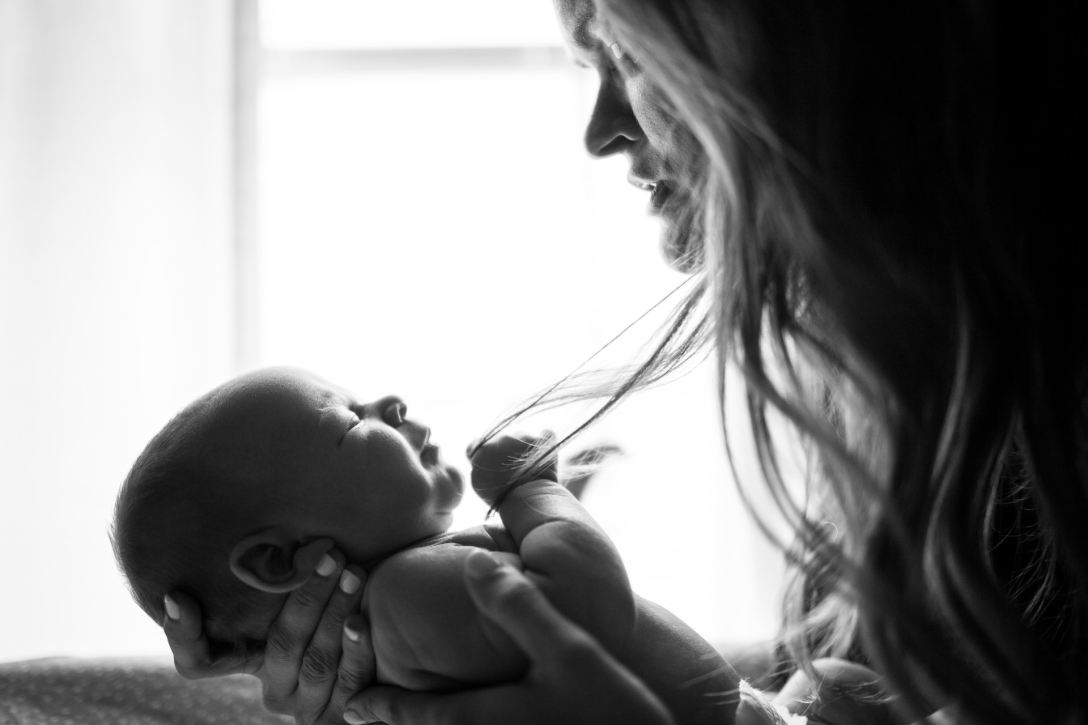
Photo by Zach Lucero on Unsplash. Altered by Jennifer Brewer via Canva.
***Disclaimer*** This is a work in progress and as such is likely to change before reaching the finished product. Thank you for your understanding.

I have found ProWritingAid to be the best editor. I really love the scoring option and the ability to change who my audience is so I can target my audience. Try it today! Click my link ➡️ ProWritingAid ⬅️. I’d love to hear what you think.
Scrivener is where I do the heavy lifting. It is where I do all my story planning, plotting, and writing. Best of all, the price for the software was reasonable. Click my link ➡️ Scrivener ⬅️ and try it out for yourself.


 Jenn J Brewer